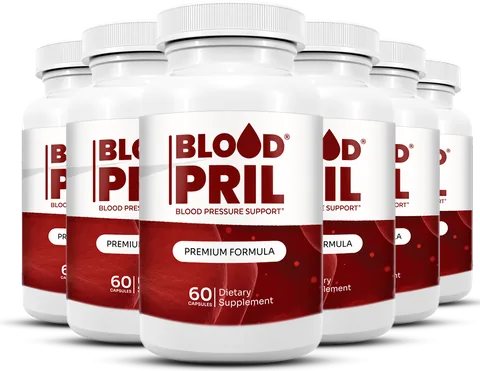
The other ingredients line names what makes up the capsule and helps the powder fill it. On BloodPril™ it lists hydroxypropyl methylcellulose, which forms the plant-based capsule shell, microcrystalline cellulose, a purified plant fiber used as a bulking aid, and magnesium stearate, a common flow agent used in capsule filling.
Why this line deserves a look · Hydroxypropyl methylcellulose: the shell · Microcrystalline cellulose: the bulking aid · Magnesium stearate: the flow helper · Putting it together on this bottle · A quick label routine
- The other ingredients line sits apart from the main supplement facts panel.
- Hydroxypropyl methylcellulose (HPMC) is a plant-derived capsule shell material.
- Microcrystalline cellulose and magnesium stearate help powders fill capsules evenly.
- Knowing these three names makes many supplement labels easier to read.
Why this line deserves a look
Most people read the big numbers on a label and skip the small print at the bottom. That small print, usually headed other ingredients, describes everything that is in the product but is not one of the featured ingredients. For a capsule, that means the shell and the helpers that let the powder move smoothly during filling.
Once you know the standard cast of characters, the line takes five seconds to read and tells you a good deal about what you are holding.
Hydroxypropyl methylcellulose: the shell
Hydroxypropyl methylcellulose, often shortened to HPMC, is made from cellulose, the structural fiber of plants, usually sourced from wood pulp or cotton. Manufacturers modify it into a smooth, light material that forms into a capsule shell.
Because it is plant-derived, HPMC is the usual choice for vegetarian capsules. It is also why a plant-based shell is a common talking point on labels. It holds the powder, protects it until you take it, and is easy to swallow with a glass of water, the way the brand's directions describe.
For anyone who prefers to skip animal-derived shells, the plant-based option is a convenient match, and it is worth checking the label for it in the same way you would for any other preference.
Ready to start your routine?
BloodPril: a once-daily capsule, one a day with a glass of water, with a 60-day money-back guarantee.
Order BloodPril NowMicrocrystalline cellulose: the bulking aid
Despite the long name, microcrystalline cellulose is also plant fiber. It is cellulose that has been purified and broken into very fine particles, and it appears in an enormous range of foods, tablets and capsules.
In a capsule, its job is practical. It adds a little bulk so that the powder blend fills the shell consistently, and it helps keep the contents evenly mixed from the first capsule to the last. Think of it as the part of the recipe that helps with texture and consistency, not with flavor.
Magnesium stearate: the flow helper
Magnesium stearate is a salt that combines magnesium with stearic acid, a fatty acid found in plant and animal fats. Capsule makers add a very small amount as a flow agent, which keeps fine powders from clumping or sticking to machinery during filling.
It is one of the most familiar names on supplement labels. When you see it near the end of the other ingredients list, you are simply seeing the manufacturing helper that keeps the process smooth.
Putting it together on this bottle
The BloodPril label lists the three featured ingredients together as one 500 mg blend, and then the three names above in the other ingredients line. The brand also states that the product is non-GMO, stimulant-free, and made in the USA in an FDA-registered facility following GMP standards.
One more detail worth knowing is the order. Ingredients on the other ingredients line are generally listed from most to least by weight, so the shell material appears first, and the small flow helper comes last. That mirrors what you would expect inside a capsule, where the shell and the bulking aid are the larger shares and the flow helper is used in a tiny amount.
If you would like the full label walkthrough, the formula page shows the complete list, and the about page tells more about the company behind it.
A quick label routine
Here is a repeatable way to read any capsule label:
Some shoppers like to compare how the same three names appear across different bottles in a cabinet. You will find the same cast again and again, because these are the everyday tools of capsule making. Seeing them repeated is reassuring in itself: it means the line is following a familiar pattern, with a plant-derived shell, a bulking aid and a flow helper.
- Find the serving size and the number of capsules in the directions.
- Read the supplement facts panel from top to bottom.
- Check the other ingredients line for the shell and fillers.
- Look for statements on manufacturing, such as GMP or an FDA-registered facility.
- Keep a photo of the label so the details are always at hand.