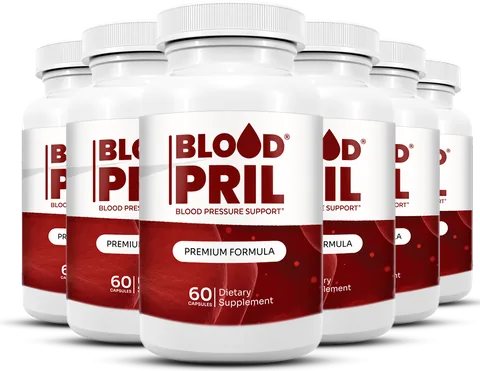
L-citrulline and L-arginine are amino acids, the building units of protein. Citrulline takes its name from the watermelon, whose Latin name is Citrullus lanatus, while arginine appears in many protein foods such as poultry, dairy, nuts and seeds. Both are listed on the BloodPril™ label as part of its three-ingredient blend.
Amino acids in one paragraph · The story behind the name citrulline · Arginine at the dinner table · What the "L" means · Why the ingredient names look so long · How the label presents them, and a plate with variety
- Both are amino acids, the small units that proteins are built from.
- Citrulline's name comes from the Latin name of the watermelon.
- Arginine turns up in poultry, dairy, legumes, nuts and seeds.
- The "L" in each name describes the molecular form used in nutrition.
Amino acids in one paragraph
Proteins are long chains, and amino acids are the links. Some links are found in almost every protein food, and others are less common. Nutrition science sorts them into groups, and the details can be explored in the reference tables at FoodData Central, the USDA's food composition database.
Citrulline and arginine are two of the links people most often see named on supplement labels, which is why they get their own explainer here.
The story behind the name citrulline
Names tell a story, and this one is a good example. Citrulline was first identified in watermelon, a fruit whose Latin name is Citrullus lanatus. The amino acid took its name from that genus, which is why it feels a little more playful than most entries in a chemistry textbook.
Watermelon is still the food most often mentioned when citrulline comes up, and other members of the gourd family, such as cucumbers and melons, are mentioned too. Nobody needs to memorize a list; the point is that this is an ingredient with a recognizable, food-based origin.
Ready to start your routine?
BloodPril: a once-daily capsule, one a day with a glass of water, with a 60-day money-back guarantee.
Order BloodPril NowArginine at the dinner table
Arginine has a name that comes from the Greek word for silver, a nod to the shiny crystals chemists saw when they first isolated a salt of it. In everyday eating, it shows up wherever protein does. Foods commonly listed as sources include:
- Poultry and turkey
- Dairy products such as milk, yogurt and cheese
- Legumes like chickpeas, lentils and soybeans
- Nuts and seeds, including pumpkin seeds, peanuts and walnuts
- Whole grains such as oats
What the "L" means
You will see an "L" in front of both names. Many molecules, amino acids included, can exist in two mirror-image shapes, called L and D. The L-form is the one that appears in food and that nutrition labels refer to. When a label says L-Citrulline or L-Arginine, it is simply telling you which shape is inside the capsule.
Extra words after the name, such as "HCL" or "DL-Malate," describe a partner molecule that the amino acid is paired with. They are part of the ingredient's formal name and do not change the underlying amino acid.
Why the ingredient names look so long
Supplement ingredient names can feel like a puzzle, but they follow a pattern. First comes the form of the amino acid, then, often in parentheses or after a hyphen, the partner it is paired with. Once you spot the pattern, a name like L-Arginine HCL stops looking intimidating: it reads as the L-form of arginine, paired with hydrochloride.
Labelmakers choose these paired forms for practical reasons that have to do with how an ingredient handles, blends and stays stable in a capsule. For a shopper, the useful habit is to look at the first words of each name. They tell you which amino acid you are looking at, and the rest tells you the form.
A fun exercise is to keep a short glossary on your phone. Write down each unfamiliar word you meet on a label and look it up once, and the next label you read will be far easier.
How the label presents them, and a plate with variety
BloodPril lists L-Citrulline DL-Malate, L-Arginine (Alpha-Ketoglutarate) and L-Arginine HCL together in one 500 mg blend. The brand does not break the blend into per-ingredient amounts, so this article does not quote any. If you would like the complete label rundown, the formula page walks through it line by line, and the what it is overview gives the bigger picture.
The brand describes the capsule as a daily-habit amino acid product to be taken with water in the morning, and it positions the product as part of a wider routine of balanced eating, hydration and movement.
The easiest way to meet these amino acids in everyday life is to eat varied protein. A bowl of yogurt with pumpkin seeds, a lentil soup, a chicken salad with chickpeas, or a handful of walnuts with fruit all do the job. The MyPlate site offers practical ideas for building balanced meals without counting anything.