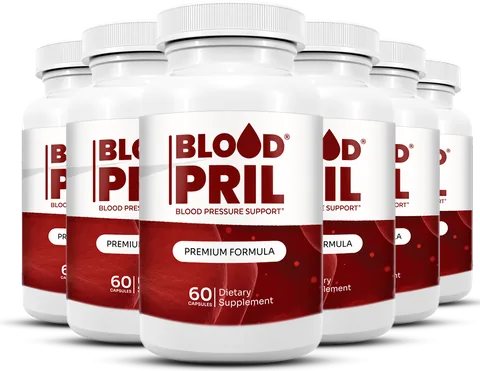
Amino acids are found in nearly every food that contains protein, from poultry and dairy to lentils, nuts and seeds. Watermelon is famous for lending citrulline its name. A varied plate covers a wide range of amino acids, and a daily capsule such as BloodPril™ is designed to sit alongside balanced eating, not replace it.
A grocery aisle tour · Fruit and vegetable stops · Nuts, seeds, legumes and animal proteins · Putting a day together · Shopping and prep tips · Where a capsule fits
- Protein foods across the grocery store supply many different amino acids.
- Watermelon gave citrulline its name, and nuts and seeds are popular arginine sources.
- Variety on the plate matters more than any single ingredient.
- A capsule routine sits beside balanced eating, never in place of it.
A grocery aisle tour
Walk through any supermarket and you are walking past amino acids. Every protein food, from the deli counter to the dried bean shelf, is made of them. That is why the topic is so practical: you do not need a special store, just a habit of choosing a range of foods across the week.
The USDA's FoodData Central database lets you look up the protein content of thousands of foods if you enjoy details, and the guide below keeps to the familiar names.
Fruit and vegetable stops
Watermelon is the star of this aisle because citrulline was named after its Latin name, Citrullus lanatus. Cucumbers, cantaloupe and other melons belong to the same plant family and appear in conversations about the topic too.
Produce is mostly valued for fiber, water and color, and not as a main protein source, but it contributes variety. A chilled bowl of melon on a warm morning also helps with hydration, which makes it a natural companion to a morning routine.
Ready to start your routine?
BloodPril: a once-daily capsule, one a day with a glass of water, with a 60-day money-back guarantee.
Order BloodPril NowNuts, seeds, legumes and animal proteins
This is where protein gets concentrated. Pumpkin seeds, peanuts, walnuts, almonds, sesame, chickpeas, lentils and soybeans are all commonly listed as arginine-containing foods, and they are easy to work into meals.
Practical ways to add them:
Animal-based protein foods also provide a broad range of amino acids. Chicken and turkey, eggs, milk, yogurt and cheese are everyday examples. They are familiar, simple to cook and easy to pair with vegetables and grains. If you follow a plant-forward pattern, the legumes, nuts and seeds above carry the load. Either way, the principle is the same: rotate your choices so that no single food does all the work.
- Sprinkle pumpkin seeds over yogurt or oatmeal.
- Swap a snack for a small handful of walnuts or almonds.
- Toss chickpeas into a salad or roast them with spices.
- Stir lentils into a soup or grain bowl.
- Spread peanut butter on whole-grain toast.
Putting a day together
Here is what a varied day might look like. Breakfast could be Greek yogurt with pumpkin seeds and a few berries. Lunch might be a chickpea and cucumber salad with olive oil and lemon. A mid-afternoon snack of walnuts and an apple keeps energy steady, and dinner could be grilled chicken or lentil stew with brown rice and greens.
The MyPlate site has free planning tools to help you balance proportions, and the Dietary Guidelines for Americans are the standard reference for general eating patterns.
Shopping and prep tips
A few small kitchen habits make a varied protein pattern easy to keep. Buy dried beans or canned chickpeas and lentils in bulk, since they store for months and turn into a meal in minutes. Keep a jar of mixed nuts and seeds on the counter, where it is visible and ready, and keep a tub of plain yogurt in the fridge as a base for quick breakfasts.
On a busy week, cook a big batch of grains and a tray of roasted chickpeas on Sunday, then mix and match through the week. Variety does not require complicated recipes; it only requires a stocked kitchen and a little rotation. If you enjoy planning, write three protein foods on the fridge door each Monday and try to use each at least twice before the weekend. Small experiments like this turn nutrition from a vague goal into a concrete list.
Where a capsule fits
A food-first approach is the foundation, and a daily capsule is a small add-on. The brand describes BloodPril as an amino acid capsule taken once daily with a glass of water, preferably in the morning before a meal. The label lists three amino acid ingredients in one 500 mg blend, and you can see the full details on the formula page.
Think of the capsule as a fixed point in your morning, with the food choices above filling in the rest of the day. For more background, the what it is overview is a quick read.