A ten-minute morning walk sticks when it is small, scheduled and tied to something you already do. Put your shoes by the door, walk the same loop every day, and pair it with your morning glass of water. Ten easy minutes repeated beats an ambitious hour attempted twice. Start tomorrow, keep the route fixed, and let the habit grow on its own.
Why ten minutes is the right size · Choose one loop and one trigger · Make rough mornings count anyway · Where BloodPril fits in a walking morning · Track it lightly so it sticks
- Ten minutes is short enough to start on your busiest and lowest-energy days.
- Choose one loop and one trigger so there is nothing to decide at the door.
- Write a fallback plan for bad weather before you need it.
- A glass of water after the walk is a natural moment for the rest of your morning routine.
Why ten minutes is the right size
Most habits fail at the starting line, not the finish. An hour-long workout needs planning, a change of clothes and a shower afterward, so on a hectic Tuesday it quietly loses. A ten-minute walk needs a pair of shoes and a door. That low entry cost is the whole secret: when starting takes almost no effort, you start even on the days your motivation is somewhere else.
Ten minutes also fits the way mornings actually run. It is long enough to wake up your legs, catch some daylight and think about nothing in particular, yet short enough that you will not be late for anything. Plenty of people find the walk becomes the quietest part of their day, which is a reward all by itself.
Choose one loop and one trigger
Decide the route once so you never negotiate with yourself at the door. A loop around the block, out to the corner and back, or a lap of a nearby park all work. Five minutes out and five minutes back is the simplest version, because you can always turn around at the halfway mark.
Then attach the walk to a trigger you already hit every day. This is often called habit stacking, and it works because an existing routine does the remembering for you. Good triggers include:
- After the coffee maker starts, the shoes go on.
- Right after brushing your teeth, step outside.
- When the alarm goes off, put on the walking clothes you left on the chair.
- After dropping the kids at the bus stop, walk home the long way.
Ready to start your routine?
BloodPril: a once-daily capsule, one a day with a glass of water, with a 60-day money-back guarantee.
Order BloodPril NowMake rough mornings count anyway
Rain, cold and low energy will show up eventually. Write down a fallback in advance: the same ten minutes indoors, pacing a hallway while you listen to a podcast, or marching in place through two songs. The goal is to protect the streak of showing up, not the scenery. A two-minute walk on a hard day still keeps the habit alive, and a kept habit is worth more than a perfect one.
Keep your gear visible too. Shoes by the door, a jacket on the hook, headphones charged. Every small obstacle you remove is one less excuse. The CDC's physical activity basics page is a handy place to see how short sessions fit into a weekly plan.
Where BloodPril fits in a walking morning
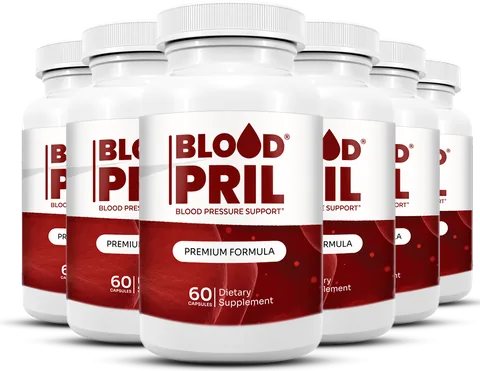
A morning walk pairs naturally with a few other small anchors: a glass of water, a balanced breakfast and, if you use one, a supplement. BloodPril™ is a once-daily capsule, and the brand's stated directions are one capsule with a glass of water, preferably in the morning before a meal. The glass of water you pour when you get back is an easy cue. If you want the background first, start with what BloodPril is.
Keep expectations grounded. A walk and a capsule are habits that support a morning routine; they are not shortcuts. The formula page lays out what the label lists, so you know exactly what you are adding to your day.
Track it lightly so it sticks
Hang a calendar on the fridge and mark an X after each walk. A growing chain of marks builds momentum, and the sight of a gap gently nudges you back the next morning. No app is required, although a simple checklist on your phone works just as well.
Resist the urge to upgrade too fast. Hold ten minutes for two full weeks. When it feels automatic, add a minute, choose a hillier route or invite a friend. Progress that feels boring is usually progress that lasts. For more small-habit ideas, browse the rest of the BloodPril blog.