Sunday meal prep works best when you prepare components, not complete meals. Spend about two hours cooking a grain, a protein, a tray of vegetables and one or two sauces. Mix and match them through the week for balanced plates in ten minutes. You keep variety, cut weeknight decisions and avoid the fatigue of eating the same container five days running.
Prep components, not meals · A two-hour game plan · Store it so it still tastes good on Thursday · Turn components into five different dinners · Add a weekly routine check-in
- Prep components rather than finished meals so dinners stay varied.
- Cook one grain, one protein, one tray of vegetables and two sauces.
- Cool food quickly and store it in shallow, labeled containers.
- Pair your prep session with a weekly look at the routines you want to keep.
Prep components, not meals
The classic prep image, five identical containers lined up in the fridge, is exactly why many people quit by Wednesday. Reheated sameness gets old fast. A component approach keeps the speed while restoring choice. On Sunday you cook building blocks, and on weeknights you assemble them in whatever mood you are in.
Think of a plate in thirds: vegetables, a grain or starch, and a protein, with a sauce tying them together. If your Sunday session produces one of each, every weeknight dinner is already three-quarters done before you walk in the door.
A two-hour game plan
Work in an order that lets everything cook at once. Here is a rhythm that fits most kitchens:
- Minutes 0 to 15: heat the oven, chop vegetables, start a pot of brown rice, quinoa or farro.
- Minutes 15 to 30: tray one holds vegetables with oil and seasoning; tray two holds chicken thighs, tofu or chickpeas.
- Minutes 30 to 60: while everything roasts, whisk two sauces, such as a lemon-yogurt drizzle and a peanut-lime dressing.
- Minutes 60 to 90: wash and dry greens, boil a few eggs, slice fruit for snacks.
- Minutes 90 to 120: cool, portion, label and clean up as you go.
Ready to start your routine?
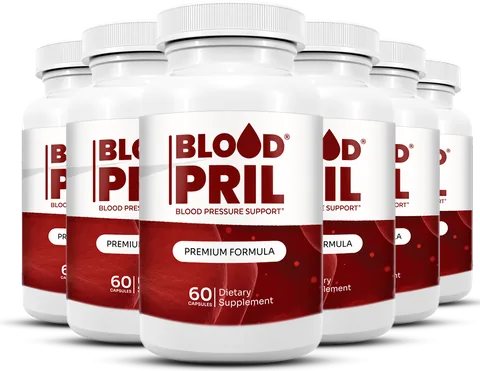
BloodPril: a once-daily capsule, one a day with a glass of water, with a 60-day money-back guarantee.
Order BloodPril NowStore it so it still tastes good on Thursday
Spread hot food in shallow containers so it cools quickly, then refrigerate within two hours. Keep sauces separate so grains and greens do not turn soggy. Label each container with the day you cooked it, and plan to eat the most delicate items, such as fish or cut herbs, early in the week.
Freeze one portion of the protein and one of the grain for the end of the week. A frozen backup means a hectic Friday still ends in a real dinner instead of a last-minute takeout order. The USDA's FoodData Central is a useful reference when you want to compare ingredients as you plan your menu.
Turn components into five different dinners
Monday: roasted vegetables, rice and chicken with the peanut-lime sauce. Tuesday: the same chicken over greens with a boiled egg. Wednesday: grain bowl with chickpeas and lemon-yogurt. Thursday: vegetables folded into scrambled eggs with toast. Friday: a quick fried-rice style skillet with whatever is left.
Five dinners from four cooked items is a good return on two hours. The ingredients are the same, but the flavors, textures and temperatures change, and that is what keeps the plan alive.
If a night falls apart, nothing is lost. Components keep, and they can slide to the next evening without anyone noticing.
Add a weekly routine check-in
Sunday is also a natural moment to look at the week ahead and decide which small habits you want to carry through it. A morning walk, a water bottle on your desk, a consistent bedtime. If you use BloodPril™, the once-daily capsule the brand directs to be taken with a glass of water in the morning, you might check that your bottle is within reach on the counter. At one capsule a day, a 60-capsule bottle lasts 60 days, as described on the pricing page.
Keep the check-in to five minutes. For the bigger picture of how a daily capsule fits a routine, see how BloodPril works, and for more habit ideas visit the blog.