Mindful grocery shopping means walking in with a plan and shopping the edges and the aisles with intent. Build your list around what is in season, pick whole grains by reading the first ingredient, and leave room for one new item each week. You will spend less, waste less and eat a wider range of foods.
Plan before you leave the house · Let the season guide your cart · Read the first ingredient on grain products · A repeatable list template · Tie the shopping trip to the rest of your routine
- Seasonal produce tends to taste better and cost less.
- Look for the word whole as the first ingredient on grain products.
- A list organized by store section keeps trips short and focused.
- Add one new food each week to keep meals interesting.
Plan before you leave the house
Mindful shopping starts at your kitchen table, not the store entrance. Spend five minutes checking the fridge and pantry, then sketch three to four dinners for the week. Write your list in the order of the store layout: produce, grains, protein, dairy, frozen, pantry. You will walk a straight line instead of zigzagging back for forgotten items.
Eat a small snack before you go. Shopping on an empty stomach makes every end-cap display look like a good idea.
Keep a small insulated bag in the car or by the door so cold items make it home in good shape. It sounds minor, but the habit of bringing your own bag, and reusing it, makes the whole trip feel more deliberate and a little more relaxed.
Let the season guide your cart
Produce picked at its natural peak is usually more flavorful and more affordable. Spring brings asparagus, peas and strawberries. Summer means tomatoes, corn, zucchini and peaches. Fall leans toward apples, squash and sweet potatoes, and winter favors citrus, cabbage, kale and root vegetables.
If you are unsure what is in season, check the signs at the market, ask the produce staff, or look for the section that is most heavily stocked and most colorful. Frozen fruits and vegetables are a smart backup when something is out of season, and they keep until you are ready.
Try a one-in, one-out rule for adventurous eating: each week, pick one seasonal item you have never cooked and learn a single simple way to prepare it. Roasting almost anything with oil, salt and pepper at a high temperature is a reliable first attempt, and steaming or sauteing with garlic is a close second.
Ready to start your routine?
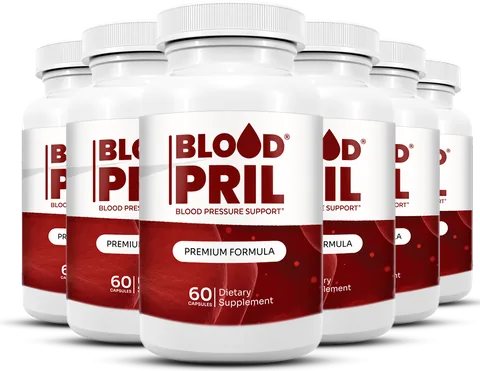
BloodPril: a once-daily capsule, one a day with a glass of water, with a 60-day money-back guarantee.
Order BloodPril NowRead the first ingredient on grain products
Packaging can be loud. Words like multigrain, wheat and natural do not always mean whole grain. Flip the package over and read the ingredient list instead. For bread, pasta, crackers and cereal, the first ingredient should start with the word whole, such as whole wheat or whole oats.
For unpackaged choices, the bulk bins are a treasure trove: brown rice, oats, barley, bulgur and quinoa. Buy small amounts of unfamiliar grains to see whether your household likes them. The Dietary Guidelines for Americans encourage making half of your grains whole grains, which is a helpful target for your list.
Cook extra grains on the first night and store them for the week. Cooked rice, farro or barley keeps several days in the refrigerator and turns into a lunch bowl, a stir-fry base or a quick soup addition with almost no effort.
A repeatable list template
Keep a standard list on your phone and tweak it weekly. A simple template might look like this:
- Produce: two leafy or cruciferous vegetables, two colorful vegetables, two fruits, one seasonal special.
- Grains: one cooking grain, one bread or wrap with whole as the first ingredient.
- Protein: eggs, beans or lentils, one fish or poultry option.
- Dairy or alternatives: plain yogurt, milk or a fortified alternative.
- Pantry: restock oils, spices and canned tomatoes only as needed.
- One new item: a vegetable, grain or spice you have never cooked.
Tie the shopping trip to the rest of your routine
Grocery day is a good time to look at your whole week: water bottles filled, walking shoes by the door, and your morning basics stocked. If BloodPril™ is part of your routine, the brand's stated directions are one capsule daily with a glass of water, preferably in the morning before a meal, so check how many days of supply remain. You can see how bottle counts translate to days on the pricing page.
Mindful shopping is not about perfection. It is about making the next meal a bit easier and a bit more varied. For more ideas that fit around a busy week, the BloodPril blog is a good next stop.