A sixty-day habit log is a single page where you tick off a few daily actions and add one line about how the day went. Pick three habits, use a grid, a checklist or a short journal, and review once a week. Sixty days is long enough to see patterns and short enough to stay motivated.
Why sixty days · Pick three habits, no more · Three templates to copy · Where a daily BloodPril capsule fits the log · Run a five-minute weekly review
- Track three habits at most so the log stays quick.
- Choose a format you will actually open: grid, checklist or one-line journal.
- Review once a week and adjust one thing at a time.
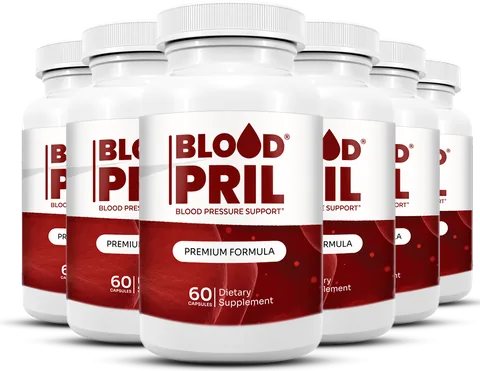
- Sixty days matches the length of a single BloodPril bottle at one capsule a day.
Why sixty days
Two weeks shows you whether you can start. Sixty days shows you whether you can keep going. That stretch covers busy weeks, lazy weekends, a holiday or two and at least one stretch of unexpected chaos, which is exactly the real life any good habit has to survive.
Sixty days also divides neatly into eight weekly reviews and a final look back. It is a concrete finish line, and finish lines are motivating in a way that open-ended goals rarely are.
Pick three habits, no more
Logs fail when they become homework. Choose three actions that are simple to answer with yes or no. Strong examples include a ten-minute walk, a glass of water before breakfast and lights-out by a set time. Add a fourth only after the first three feel automatic.
Write each habit as something observable. Walk for ten minutes beats be more active, and drink a glass of water beats hydrate better. If you can't tick it in two seconds, rewrite it.
Keep the log somewhere you pass every day, such as the fridge door, the bathroom mirror or the first screen of your phone. Visibility does half the work of remembering, and a pen tied to the page by a string removes the last excuse.
Ready to start your routine?
BloodPril: a once-daily capsule, one a day with a glass of water, with a 60-day money-back guarantee.
Order BloodPril NowThree templates to copy
Any format works as long as you open it daily. Try one of these:
- The grid: draw sixty small boxes on one page, in rows of ten. Color a box when you complete your main habit. After a month, the page looks like a map of your effort.
- The checklist: one row per day, three columns for your habits, and a fourth column for a one-word mood. Print it, or build it in a spreadsheet.
- The one-line journal: each evening, write a sentence about what went well. Short entries are easier to keep, and they make a pleasant read when you flip back through them.
Where a daily BloodPril capsule fits the log
If BloodPril™ is part of your morning routine, it makes a natural line on the log. The brand's stated directions are one capsule daily with a glass of water, preferably in the morning before a meal, so a single bottle of 60 capsules lasts 60 days at one a day. That lines up neatly with a sixty-day log: one bottle, one log, one clear window. The brand also states a 60-day money-back guarantee counted from purchase, and it asks for at least 30 days of use first. You can read the terms on the pricing page.
Use the log as a way to see your routine, not to chase outcomes. The reviews page explains how to read what is said about any product, and how BloodPril works covers the basics of the brand's approach.
Run a five-minute weekly review
Every Sunday, count your ticks and ask three questions: Which habit felt easiest? Which one slipped, and why? What is one small change for next week? Maybe the walk needs a new trigger, or the glass of water needs to move next to the toothbrush. Change one thing, then give it a week.
If you want ideas for improving a habit, the CDC's physical activity basics offer simple movement guidance, and the blog has more routine reads. On slow days, mark the smallest version of the habit and move on. A log with a few honest gaps beats a perfect one that you abandoned in week two.